A restaurant kitchen in Riyadh is only as good as the ingredients waiting in the walk-in. A chef can plate beautifully and a front-of-house team can charm every guest, but if the seafood arrived thawed or the imported cuts sat a few degrees too warm, the whole operation is quietly built on sand. In a city where dining is competitive and standards keep rising, the cold chain behind the menu is not a back-office detail. It is part of the product.
This article looks at storage from the perspective of Riyadh’s food businesses: restaurants, caterers, cloud kitchens, and the suppliers who feed them. It covers why frozen and chilled capacity matters so much for consistency, how outsourced storage can free a kitchen from the tyranny of its own freezers, and what to look for in a partner before you trust them with the ingredients your reputation depends on.
Why the Capital City Pressures the Cold Chain
Riyadh sits inland, far from the ports where much of the Kingdom’s imported food arrives, which means ingredients often travel a considerable distance before they reach a kitchen. Every extra hour on the road is an hour the cold chain must hold, and the desert climate offers no mercy to any lapse. Summer heat can turn a brief refrigeration failure into a serious loss with startling speed.
For food businesses, this geography raises the value of local, reliable storage. A restaurant group that can hold buffer stock in properly conditioned space near the city gains resilience against supply hiccups and price swings, buying in volume when conditions are good and drawing down steadily rather than depending on perfect just-in-time deliveries in an unforgiving climate.
Frozen Storage and Menu Consistency
Consistency is the quiet promise every good restaurant makes: the dish you loved last month should taste the same today. That promise rests heavily on how ingredients are frozen and held. Meat, seafood, and prepared components kept at stable deep-freeze temperatures retain their texture and safety; the same items subjected to temperature swings lose quality in ways a skilled chef cannot fully hide.
Access to dependable Frozen Storage in Riyadh lets a food business buy premium ingredients in bulk and hold them without gambling on the reliability of an overworked kitchen freezer. This matters most for high-value proteins, where a single ruined batch can erase the savings from a whole bulk purchase. Stable frozen holding turns volume buying from a risk into a genuine advantage.
Purpose-Built Storage for Restaurants
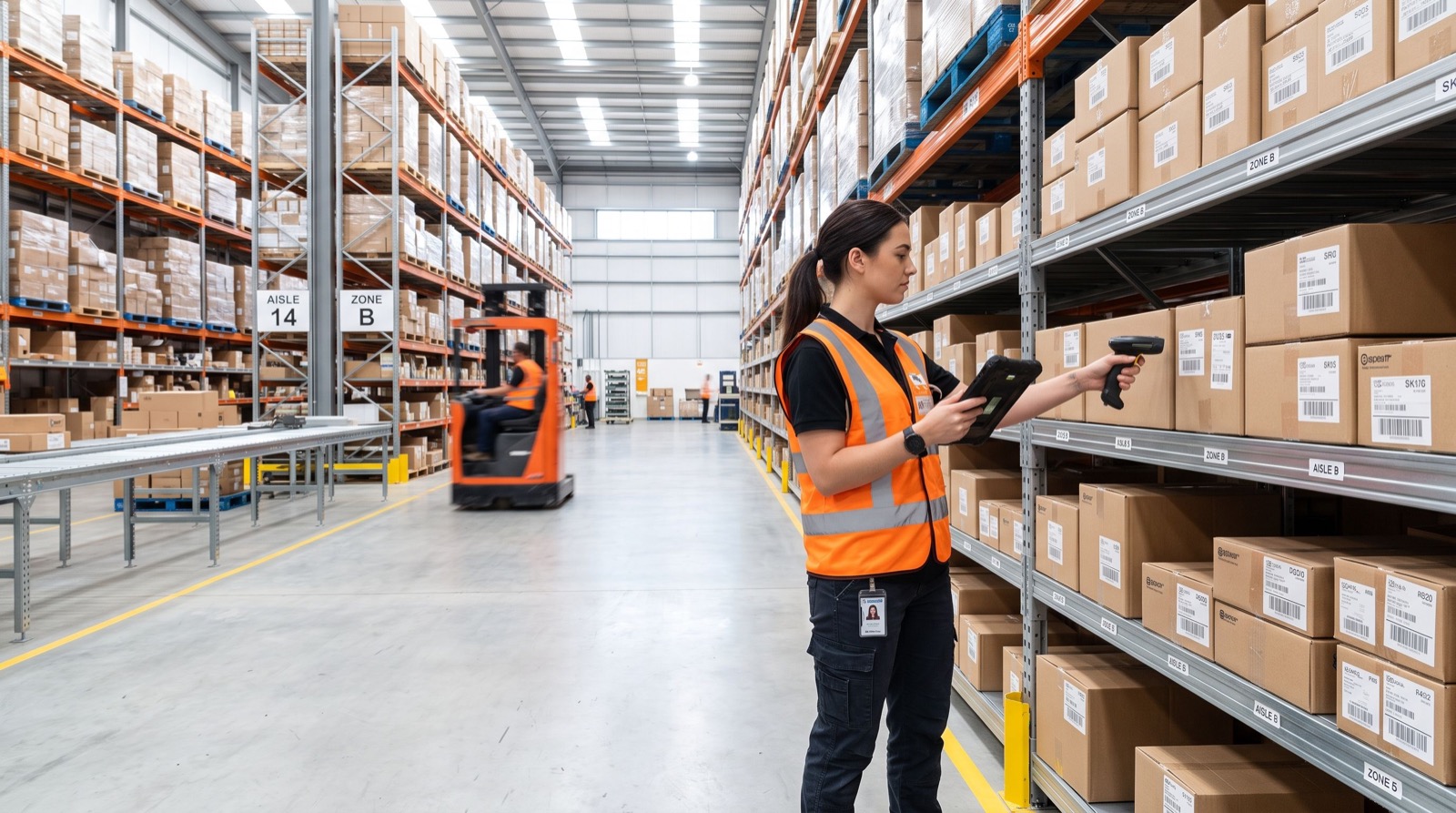
Restaurants have storage needs that a generic warehouse does not always understand. Deliveries arrive on tight schedules, stock rotates fast, food-safety documentation is non-negotiable, and the mix spans frozen proteins, chilled produce, and dry goods all at once. Specialized Storage for Restaurants is built around this reality, combining the temperature bands, hygiene standards, and handling flexibility that food service actually requires.
The advantage of storage designed for the trade is that it removes friction the kitchen should not have to manage. Ingredients are received and rotated on a proper first-in, first-out basis, cold and frozen goods stay strictly separated from anything that could contaminate them, and the paperwork that regulators and auditors expect is generated as a matter of course rather than scrambled together after the fact.
Freeing the Kitchen From Its Own Freezers
Every square meter of a restaurant is expensive, and space given over to walk-in freezers and dry stores is space not earning revenue as seating or kitchen line. For growing food businesses, especially those running multiple locations or cloud kitchens, outsourcing bulk storage can transform the economics. Central conditioned storage holds the buffer, while each kitchen keeps only the working stock it needs for a day or two.
This model does more than save floor space. It centralizes purchasing power, simplifies stock control across sites, and reduces the risk that any single location’s equipment failure wipes out valuable inventory. A restaurant group that stores centrally can negotiate better with suppliers and respond faster when demand spikes, all while its kitchens stay lean and focused on cooking.
Food Safety as a Non-Negotiable
In food service, storage is inseparable from safety. A break in the cold chain does not just cost money; it can make people ill and end a reputation overnight. Regulators in the Kingdom expect documented temperature control, proper separation of raw and ready goods, and traceability from receipt to use. A storage partner that treats these as core practice rather than box-ticking is protecting the business as much as the food.
The signals of a serious operator are concrete: continuous temperature monitoring with alarms, strict hygiene and pest-control regimes, and records that can withstand an inspection at any moment. For a restaurant, choosing such a partner is not caution for its own sake. It is a direct defense of the trust that keeps guests coming back.
What to Look for in a Storage Partner
Selecting the right facility is worth doing carefully, because switching later is disruptive. Aligning with reputable service experts means the essentials are already handled to a standard your kitchen can rely on. The checklist below captures what matters most for food businesses.
- Stable frozen and chilled zones with continuous monitoring and rapid temperature recovery.
- Documented food-safety, hygiene, and traceability practices ready for inspection.
- Flexible capacity that flexes with seasonal demand, catering peaks, and menu changes.
- Efficient, scheduled inbound and outbound handling that fits kitchen delivery windows.
- Tested backup power so a grid outage never becomes a spoiled inventory crisis.
A facility that delivers on all five lets a food business scale with confidence; one that falls short on even a couple leaves the kitchen exposed at the worst possible moment.
Turning Storage Into a Competitive Advantage
Diners rarely think about warehousing, yet it shapes their experience more than they know. The restaurant that consistently serves excellent food is often the one with the most disciplined supply chain behind it, buying well, storing safely, and never letting a quality lapse reach the plate. In a market as competitive as Riyadh’s, that reliability compounds into loyalty and reputation over time.
Smart operators, therefore, treat storage as a lever for growth rather than a grudging cost. Reliable capacity lets them expand the menu, open new locations, cater larger events, and weather supply shocks that trip up less-prepared rivals. The freezer, it turns out, is closer to the heart of the business than the dining room suggests.
Key Takeaways
- Riyadh’s inland location and heat make reliable local cold storage a resilience strategy, not a luxury.
- Stable frozen holding protects menu consistency and makes bulk buying of premium proteins pay off.
- Restaurant-focused storage combines temperature bands, hygiene, and traceability the trade requires.
- Central outsourced storage frees kitchen floor space and centralizes purchasing across locations.
- Choose partners on monitoring, food-safety documentation, flexibility, and tested backup power.
Building a Kitchen That Runs on Trust
Every great meal begins long before it reaches the pass, in the way its ingredients were bought, transported, and stored. For Riyadh’s food businesses, investing thought in the cold chain is investing in the consistency and safety that guests quietly reward with their loyalty. Treat storage as an extension of the kitchen, choose partners who take temperature and hygiene as seriously as you take flavor, and you build an operation that stays dependable through growth, seasons, and the relentless pace of the restaurant trade.