Dog waste is one of those topics where folk wisdom has been passed down over fences and across dog parks for generations, and a surprising amount of it is flat-out wrong. Some of these myths are harmless. Others are quietly damaging lawns, spreading parasites, and costing pet owners money. Let’s put seven of the most stubborn ones under the microscope and see which beliefs deserve a decent burial.
Myth 1: “It’s Natural Fertilizer — Just Leave It”
This is the big one, and it fails on basic chemistry. Cow and horse manure fertilize because those animals eat plants; their output is relatively balanced and breaks down into nutrients grass can use. Dogs eat protein-rich diets, and their waste is acidic, nitrogen-concentrated, and loaded with pathogens. Rather than feeding your lawn, it burns it, which is why the grass under an old deposit dies while a ring of dark green grows around the edge. The Environmental Protection Agency actually classifies pet waste as a pollutant in the same category as oil and chemical runoff. Nature does not want this donation.
Myth 2: “Rain Washes It Away”
Rain does not make waste disappear; it relocates it. Stormwater carries the bacteria and parasite eggs from your lawn into gutters, then into storm drains, which in most American municipalities flow untreated into streams and lakes. Studies of urban watersheds have traced a measurable share of bacterial contamination directly to pet waste. What looks like a free cleanup service from the sky is really a delivery system that sends your dog’s business to the local swimming hole.
Myth 3: “Waste in the Yard Is Fine as Long as Nobody Steps in It”
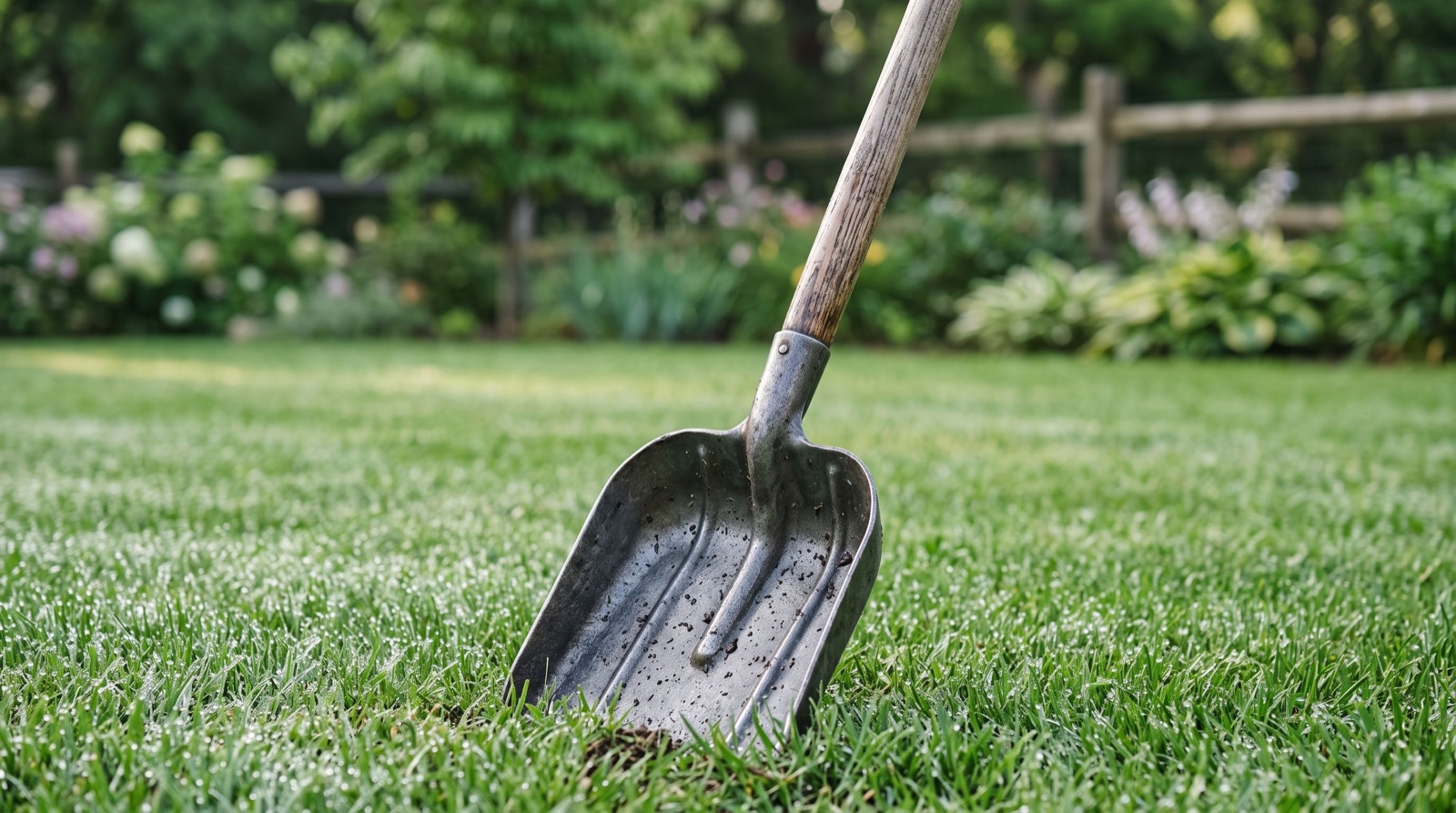
Roundworm eggs shed in dog waste can remain viable in soil for years, long after the visible evidence has decomposed. Children playing in the yard, gardeners working the soil, and other pets are all exposed routes. This is exactly why prompt pickup matters more than eventual pickup. Owners who keep a dedicated tool by the back door remove deposits within a day, and if you have been putting off getting one, a quick search for a Pooper Scooper nearby takes less time than reading this paragraph and solves the procrastination problem at its root.
Myth 4: “Flushing It Is Always the Green Choice”
This one is half true, which makes it extra sneaky. The EPA does list flushing as an acceptable disposal method for the waste itself, because sewage treatment plants are designed to handle exactly this kind of material. The catch: never flush the bag, not even the ones marketed as flushable, because they clog residential plumbing and municipal systems alike. And homes on septic systems should skip flushing entirely, since dog waste contains hair and grit that septic tanks handle poorly. For most households, sealed bags in the trash remain the practical answer.
Myth 5: “Biodegradable Bags Break Down in the Landfill”
Certified compostable bags do break down beautifully — in commercial composting facilities with heat, moisture, and oxygen. A modern landfill is engineered to be the opposite of that environment: compacted, dry, and starved of air. Entombed in a landfill, a biodegradable bag can persist for decades right alongside a conventional one. That does not make sturdy bags a bad choice; it means the honest reasons to choose them are strength and leak protection, not landfill magic. Buy bags for their job, not their marketing.
Myth 6: “Any Old Grocery Bag Does the Job”
Ask anyone who has had a thin produce bag fail mid-pickup and they will convert to purpose-made bags on the spot. Grocery bags are increasingly banned in many states, frequently pre-punctured, and were never designed to be a barrier between your hand and biohazard. Serious dog owners, especially those cleaning up after large breeds or multiple dogs, tend to graduate to something closer to a heavy duty tool bag standard of thickness — material that will not stretch thin or split when it is carrying real weight on a long walk home.
Myth 7: “A Clean Yard Means a Parasite-Free Dog”
Pickup hygiene dramatically reduces reinfection risk, but it cannot substitute for veterinary care. Dogs pick up parasites from park soil, other dogs, fleas, and wildlife droppings regardless of how pristine your own lawn is. Annual fecal exams and year-round preventatives remain essential. Think of yard hygiene and vet care as two halves of one defense system: research consistently shows the combination is what keeps infection rates low, the same way any good outcome comes from pairing your own diligence with quality service providers when a job calls for professional expertise.
Bonus Myth: “Winter Freezes Kill Everything Anyway”
A comforting cold-climate belief holds that a hard northern winter sterilizes the yard, so autumn neglect gets erased by February. Parasitologists disagree. Roundworm eggs are famously freeze-tolerant — their thick shells are built to overwinter — and studies have recovered viable eggs from soil after multiple freeze-thaw cycles. Whipworm eggs are similarly durable, and giardia cysts survive weeks in near-freezing water. What winter actually does is pause decomposition, preserving both the waste and its passengers until spring serves everything back at once. If anything, cold climates raise the stakes on autumn cleanup, because whatever enters the snowpack in November exits it in March, fully intact and sitting exactly where the kids will play first.
How These Myths Survive
Bad information about dog waste persists for an understandable reason: the consequences are invisible and delayed. Nobody sees the roundworm eggs in the flower bed or the bacterial plume heading toward the creek. The dead grass shows up weeks after the deposit that caused it. Without immediate feedback, folklore fills the gap. The owners who get it right are usually the ones who learned the hard way — a child’s parasite scare, a ruined lawn, a fine from the HOA — and started treating cleanup as a health practice rather than a cosmetic one.
The Takeaway for Your Household
- Pick up daily; pathogens outlive the visible mess by months or years.
- Never count on rain, decomposition, or “nature” to do the job.
- Seal waste in sturdy bags and send it to the trash, or flush the contents alone where appropriate.
- Choose bags for strength and leak protection, not for green-sounding labels.
- Keep up fecal exams and preventatives even with a spotless yard.
None of this requires heroics — just ten minutes a week and a willingness to let the old fence-line folklore finally rest in peace. Your lawn, your local watershed, and every barefoot summer visitor to your backyard will be better for it.